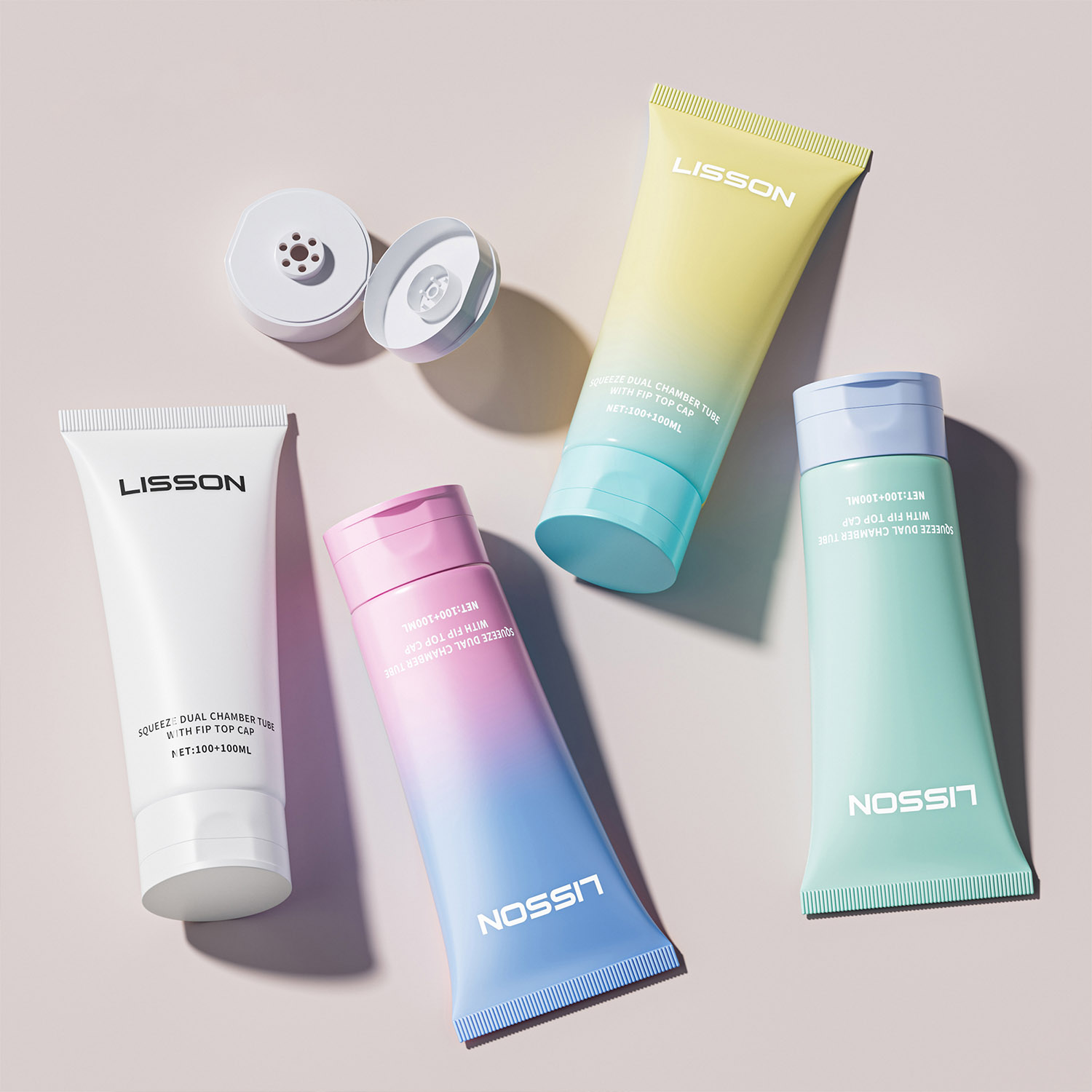




Which Is Greener, Biodegradable or Recyclable Cosmetic Tubes?

Chúng tôi là nhà máy sản xuất bao bì mỹ phẩm theo yêu cầu, cung cấp dịch vụ trọn gói và có hơn 20 năm kinh nghiệm phong phú trong việc tùy chỉnh các loại ống đựng mỹ phẩm, ống bóp, ống ABL, ống PBL, ống bơm không khí, ống son bóng, ống chăm sóc da. PCR (Tái chế sau tiêu dùng) ) Ống , vân vân.
Consumers often see "biodegradable" and "recyclable" as clear wins for sustainability. Yet each term describes a very different waste process. So, which sustainable cosmetic tube actually causes less environmental harm? The honest answer depends on three key factors: your local disposal infrastructure, the material composition of the tube, and the availability of industrial composting or advanced recycling. An eco friendly cosmetic tubes choice must match these local systems. A biodegradable cosmetic tubes option works well only in controlled composting facilities. A recyclable tube helps only if facilities sort and reprocess it correctly into new materials. This article cuts through the marketing hype to provide a simple, actionable framework. You will learn which tube type aligns best with real-world disposal systems and genuine environmental stewardship.
Key Takeaways
-
Match your cosmetic tube to your local waste system for real environmental benefit.
-
Recyclable tubes work best where curbside recycling exists and use mono-material design.
-
Biodegradable tubes need industrial composting facilities; they fail in home compost or landfills.
-
Sugarcane and PCR tubes cut carbon but require proper disposal to deliver their value.
-
Always check your community's facilities before choosing a sustainable tube.
Defining Biodegradable and Recyclable Cosmetic Tubes
When you examine a tube label, the words "biodegradable" and "recyclable" point to very different end-of-life outcomes. Understanding each path helps you choose the right sustainable cosmetic tube for your product line. Your local waste system determines which option truly works.
How Biodegradable Tubes Break Down
Tubes labeled biodegradable break down faster than conventional plastic. They do not decompose in a backyard bin. Most require an industrial composting facility. These facilities maintain temperatures between 55-70°C. They also hold high humidity levels and host specific microorganisms that digest the material.
PLA (polylactic acid) serves as a common example. This renewable material comes from corn or sugarcane tubes. It meets ISO 14855 for industrial compostability. The material decomposes within 12 weeks under these controlled settings. However, PLA does not belong in standard recycling streams. It contaminates sorting systems. Certifications like ASTM D6400 and EN 13432 confirm strict compostable standards.
PLA (polylactic acid): Compostable under industrial conditions (ISO 14855), but incompatible with standard recycling streams.
These biodegradable cosmetic tubes use renewable feedstocks. The design of sugarcane tubes supports sustainability through plant-based inputs. Choose sugarcane tubes only with access to industrial composting. Sugarcane tubes offer a renewable source for sustainable tube materials. The term compostable applies when the tube returns to biomass in a facility. These biodegradable options reduce reliance on fossil fuel plastics.
How Recyclable Tubes Are Reused
Recyclable tubes follow a different path. You place the empty tube in a recycling bin. The facility sorts, cleans, and reprocesses the material into new cosmetic containers. This process works best with a single plastic type. Mixed materials create sorting problems.
PCR cosmetic tubes contain post-consumer recycled content. Recyclable PE tubes flow well through existing streams. Some brands combine PCR, sugarcane, and wheat straw to build better packaging. This mix creates a strong eco friendly cosmetic tubes choice. When you evaluate recyclable or biodegradable tubes, check your local system first. If recycling infrastructure exists, the recyclable path works well. The sustainable cosmetic packaging sector pushes mono-material designs. These designs improve recycling rates. They support eco-friendly makeup packaging goals. Choose recyclable cosmetic tubes when your community accepts them curbside. A sustainable cosmetic tube must match real-world disposal. Eco-friendly makeup packaging requires honest facility assessment. Recyclable materials keep resources in use longer.
Environmental Impact: Production and End-of-Life
Raw Materials and Carbon Footprint
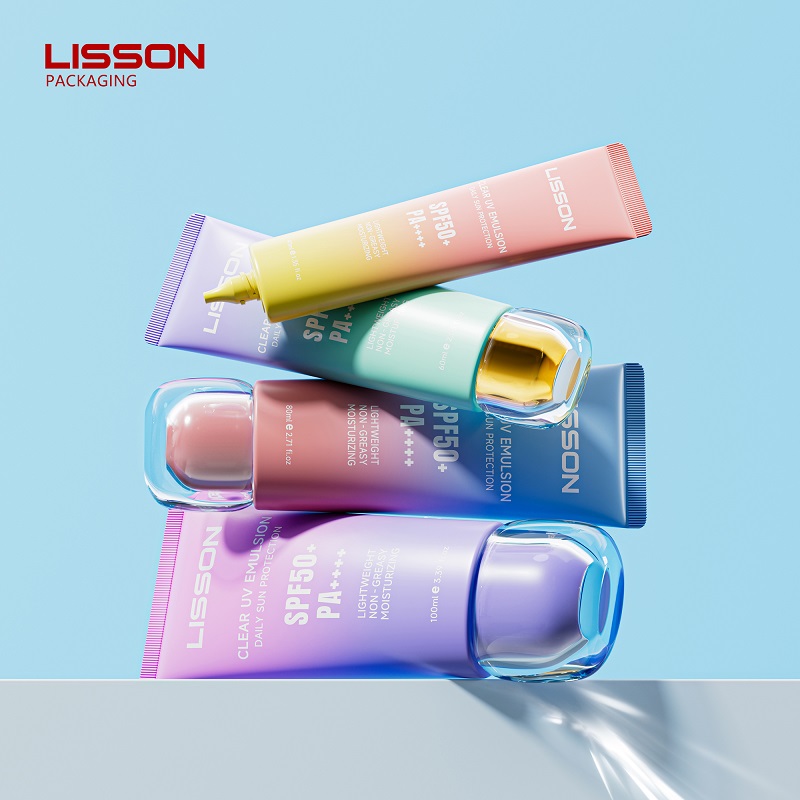
The raw materials you choose for a sustainable cosmetic tube shape its carbon footprint before the tube ever reaches a shelf. Bio-based cosmetic tubes made from plants pull carbon from the atmosphere during growth. This process reduces fossil fuel reliance compared to conventional plastics. Producing one metric ton of bio-polyethylene lowers emissions by 2 to 2.5 metric tons of carbon dioxide relative to one metric ton of conventional polyethylene across its life cycle. That reduction shows how bioplastic packaging can substantially cut its carbon footprint.
Consider the numbers behind common materials. Oil-based polypropylene generates 3.14 kg CO2 per kg of plastic. A wheat-based polymer emits only 1.2 kg CO2 per kg of plastic. Biopolypropylene from Braskem actually sequesters about 2.3 kg CO2 per kg manufactured. Polypropylene made from oil releases over 3 tonnes CO2 per tonne of plastic. The implied net gain for biopolypropylene exceeds 5 kg CO2 saved per kg of plastic. These figures reveal a clear advantage for plant-based inputs.
You must also weigh practical trade-offs. Paper and biodegradable materials cost more than conventional options. They carry higher production risks, including crop variability and limited supplier networks. Heavier packaging burns more fuel during transport. A lightweight design reduces that burden. When you select eco friendly cosmetic tubes, balance carbon savings against cost and logistics.
Disposal Emissions and Resource Recovery
End-of-life emissions depend on your local waste system. Recycling recovers materials and keeps them in circulation. This pathway avoids the emissions tied to virgin plastic production. A sustainable cosmetic tube designed for recycling supports this goal. However, recycling rates vary widely by region. Many communities lack the infrastructure to process flexible tubes.
Biodegradable cosmetic tubes offer a different route. They break down in industrial composting facilities. Those facilities capture carbon and return nutrients to the soil. Yet most regions lack access to such facilities. Without them, biodegradable tubes may end up in landfills. There, they decompose slowly and release methane. That outcome defeats the purpose of choosing biodegradable materials.
You can improve disposal outcomes through design. Mono-material tubes simplify recycling. PCR, sugarcane, and wheat straw blends reduce virgin plastic demand. These choices lower the environmental impact of cosmetic packaging. They also cut reliance on single-use plastics. The best disposal path depends on what your community actually offers. Check local programs before you commit to a tube type. That step ensures your sustainability goals hold up in practice.
Comparing Eco Friendly Cosmetic Tubes: Biodegradable vs Recyclable
When you examine recyclable or biodegradable tubes, two factors determine real success: your local waste infrastructure and consumer disposal habits. Understanding both helps you choose the best sustainable cosmetic tube for your product line. Your decision impacts both brand reputation and environmental outcomes. Eco-friendly makeup packaging must match available disposal systems. Many brands now consider sugarcane tubes and other renewable inputs. Eco-friendly cosmetic packaging works only when local facilities support it. Sustainability requires honest assessment before you commit to a material choice.
Recycling and Composting Infrastructure
Your region's waste capabilities shape which option delivers results. Many areas lack industrial composting facilities for biodegradable materials. These industrial sites need temperatures of 55-70°C and controlled humidity to break down materials properly. Without access, biodegradable tubes end up in landfills where they fail to decompose as designed. In countries like India, for example, these materials often remain intact for years. The climate and landfill conditions do not support biological breakdown. This makes better alternatives necessary for those markets.
Recycling infrastructure shows a different pattern. Curbside collection for recyclable cosmetic tubes continues to grow, but availability remains inconsistent between communities. Some programs accept them, while others reject tubes due to sorting challenges. Mono-material design improves your chances of successful recycling. A tube made from a single plastic type flows through separation systems without contamination. It eliminates the need for manual separation between different plastic types. Recyclable PE tubes offer a straightforward option for established curbside programs.
Material choice affects outcomes further. PCR cosmetic tubes incorporate post-consumer content and reduce demand for virgin plastics. Some manufacturers blend PCR, sugarcane, and wheat straw to create durable packaging. These sugarcane tubes provide renewable inputs while maintaining recyclability with correct design. Sustainable cosmetic packaging relies on these innovations to close material loops. Compostable options only work when your facility can process them correctly. The infrastructure gap means you must evaluate your local system first. Eco-friendly makeup packaging requires matching material to available pathways. A sustainable cosmetic tube fails its purpose if no facility can handle it. The ideal choice aligns with what your community actually processes.
Consumer Behavior and Practical Disposal
Consumer habits create the second major variable. Even optimal tube design fails if people use it incorrectly. Two common contaminants hinder material recovery:
- Product residue such as oils, creams, and foundations left inside containers contaminates entire batches and renders materials unusable.
- Persistent stains from ingrained makeup resist removal through standard cleaning, which renders packaging non-recyclable and defeats your environmental goals.
- Education helps, but system design matters more than instruction.
Practical disposal depends on convenience. If a recycling bin sits in the bathroom, people use it more often. If composting requires a separate trip, participation drops significantly. You must assess your target market's typical behavior. Eco-friendly tube packaging succeeds when the disposal method matches consumer willingness. Sugarcane tubes and other eco-friendly cosmetic packaging require proper participation to deliver benefits. Simple rinsing instructions on the tube itself can improve outcomes. Clear labeling also helps consumers make correct disposal choices.
When you choose eco friendly cosmetic tubes for your product line, examine both factors. Check local recycling programs first. Understand how your customers actually dispose of empty containers. Eco-friendly makeup packaging delivers real environmental benefit only when these conditions align. The right tube fits within the infrastructure and habits that exist today.
The Role of Sustainable Cosmetic Tube Packaging in Green Beauty
Reusability and the Circular Economy
You might assume that using less material always helps the planet. Research challenges that assumption. A 2022 study found that reusable packaging delivers 171% greater positive environmental effects than dematerialization, the process of producing the same amount of product using less material and energy. This finding reshapes how brands approach sustainable cosmetic tube packaging.
A 2022 study showed that the positive effects of reusable packaging outweighs the positive effects of dematerialization, the process of producing the same amount of product using less materials and energy, by 171%.
You should treat reuse as the strongest lever in green beauty. A refillable sustainable cosmetic tube keeps its outer shell in circulation for years. That approach cuts demand for virgin plastics and reduces waste. Paper and biodegradable materials often appear greener on a label. Yet they carry higher material costs and production challenges. The greenest packaging is the one your customers actually reuse or recycle within a working system. Pair refill programs with clear take-back instructions. That combination turns sustainability from a claim into a measurable outcome.
Mono-Material Design and Bioplastics
Mono-material construction gives your eco-friendly makeup packaging a real recycling advantage. Tubes made entirely from one polymer family, such as all-PE or all-PP, allow the whole unit to recycle together. Consumers and facilities skip the separation step. This design reduces contamination, raises the quality of recycled material, and simplifies sorting at recovery facilities. It also aligns with major market standards like the EU's Packaging and Packaging Waste Directive. Choose recyclable PE tubes or PCR cosmetic tubes when curbside programs accept them.
Bioplastics present a different set of trade-offs. You should weigh these challenges before committing:
- Higher production costs than conventional plastics
- Variable performance in squeeze feel, sealing, and heat resistance
- Extensive testing needs for barrier performance and formula compatibility
- Printing and decoration difficulties from surface behavior and heat sensitivity
- Greater uncertainty in large-scale manufacturing
- Recycling uncertainties, since many bioplastics do not fit standard PE streams
Sugarcane tubes and blends of PCR, sugarcane, and wheat straw offer renewable inputs. Still, compostable claims require certification. Test every eco friendly cosmetic tubes option against your filling line. A plastic-free cosmetic packaging format may suit one product and fail another. Match the material to your disposal reality, not the marketing story.
How Sustainable Beauty Packaging Choices Affect the Planet
Weight, Transport, and Carbon Footprint
The weight of your packaging directly influences its environmental cost. Heavier containers require more fuel to transport from factory to store shelf. This added fuel consumption increases greenhouse gas emissions across the supply chain. You can reduce this burden by choosing lightweight designs. A lighter sustainable cosmetic tube moves more efficiently through logistics networks. Every gram you remove from the package translates into fuel savings at scale.
Material origin also shapes the carbon story. Bio-based packaging reduces fossil fuel dependence compared to conventional petroleum plastics. Plant-derived inputs absorb carbon during growth. This process offsets some emissions from manufacturing. However, you must weigh these benefits against transport distances. A biodegradable cosmetic tubes option shipped across continents may carry a higher carbon load than a locally produced recyclable alternative. Source materials close to your production site when possible.
Regional Successes and Failures
Infrastructure determines whether your packaging choice delivers real results. Some European countries have built strong industrial composting networks. These regions successfully process biodegradable materials into biomass. Other areas lack these facilities entirely. In those markets, biodegradable tubes may sit in landfills for years without breaking down. This outcome undermines the sustainability goals you set for your brand.
Recycling access varies just as widely. Curbside programs in many cities now accept rigid plastic tubes. Yet flexible tubes often face rejection at sorting facilities. You should verify local capabilities before committing to a format. A sustainable beauty packaging strategy must match real-world systems. Remember that plastic recyclability depends on local facilities. Biodegradable is not a silver bullet. Neither option works without the right infrastructure in place.
Brands increasingly adopt sugarcane tubes and other plant-based materials. These sugarcane tubes offer renewable inputs and reduce reliance on virgin plastics. Pair them with mono-material designs to improve recycling outcomes. Your eco-friendly makeup packaging performs best when disposal systems align with material choice. The same principle applies to all eco-friendly makeup packaging decisions. Match the tube to the waste stream your customers actually use.
Real-World Examples and the Verdict
How Brands Navigate the Choice
Consumer demand drives the shift toward greener packaging. Consider these numbers:
82% of consumers are willing to pay more for eco-friendly packaging, 74% consider packaging when purchasing beauty products, and 67% are likely to repurchase from brands that use recyclable tubes. Over half of shoppers prefer products with recycled materials.
These statistics show you can gain market advantage through smart packaging choices. Yet the decision requires more than following trends. You must evaluate your target regions and their waste systems.
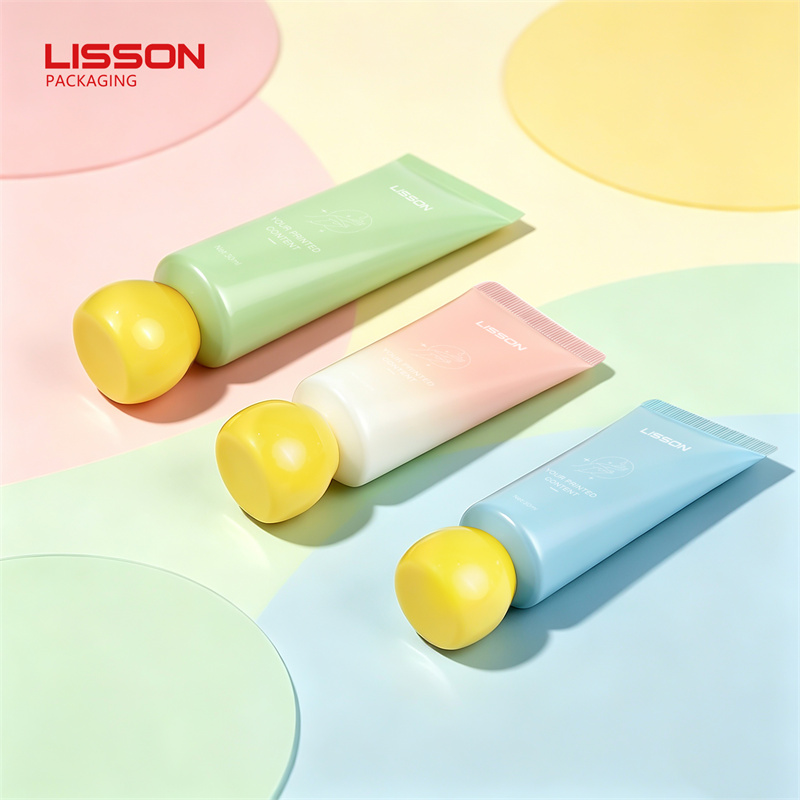
When you choose materials for your eco-friendly makeup packaging, consider three primary options. Mono-material PP/PE tubes use 100% single polymer and achieve about 25% carbon reduction. They provide excellent recyclability through standard curbside programs. These tubes suit foundations and cleansers best due to their chemical resistance. PCR cosmetic tubes contain 10%–50% recycled plastic. They deliver roughly 30%–45% carbon reduction compared to virgin plastic. Their high recyclability makes them ideal for hair care and body lotions. Green PE tubes come from sugarcane bio-resin. They reach about 70% carbon reduction in raw material stage. These sugarcane tubes maintain high recyclability while using renewable feedstocks. They serve face creams and serums well where barrier properties matter less.
When you evaluate eco friendly cosmetic tubes, each sustainable cosmetic tube option depends on formula compatibility and local disposal infrastructure. A moisturizer in a thick formula works best in a Green PE tube. A lightweight serum may perform better in mono-material packaging. One major brand formulated a body lotion line with PCR cosmetic tubes after confirming recycling acceptance across European markets. Another brand chose sugarcane tubes for a serum line because the product required a premium look and the brand operated near a composting facility. Match each product to both your disposal system and your market. You must also verify that your eco-friendly makeup packaging reaches its intended end-of-life pathway. This decision connects to broader sustainability goals for your brand.
LISSON's Approach to Sustainable Cosmetic Tube Options
LISSON helps you resolve the biodegradable versus recyclable question with practical options. The company's best-selling materials for 2025 include PCR plastics, sugarcane bio-resin, aluminum, and kraft paper. Each option serves a different product need and waste system.
|
Tube Option |
Material |
Biodegradable |
Recyclable |
|---|---|---|---|
|
PCR Plastic Tubes |
Post-Consumer Recycled plastic |
No |
Yes (fully recyclable) |
|
Sugarcane-based Bio-Resin Tubes |
Renewable sugarcane bio-resin |
Yes (carbon-neutral, biodegradable) |
Yes |
|
Aluminum Squeeze Tubes |
Aluminum |
No |
Yes (fully/infinitely recyclable) |
|
Kraft Paper-based Tubes |
Kraft paper |
Yes (biodegradable) |
N/A |
You can explore each option further. Sugarcane tubes use 100% bio-plastic derived from sugarcane. They remain 100% recyclable. They reduce carbon footprint by 70% and absorb CO₂ during growth. These tubes work well for skincare, hair care, personal care, natural cosmetics, food, and pharmaceuticals. PCR plastic tubes incorporate 30% recycled materials from discarded products. You can recycle them again through standard systems. They reduce virgin plastic consumption. You can customize them with colors, printing, and labeling. Aluminum squeeze tubes are lightweight and durable. You can recycle them infinitely without quality loss each time. Kraft paper squeeze tubes offer a compostable alternative that maintains squeeze functionality for daily use.
LISSON manufactures both pcr and sugarcane tubes, plus custom blends of pcr, sugarcane, and wheat straw for brands seeking more sustainable cosmetic packaging solutions. The company manufactures over 8,000 products across five lines. LISSON holds ISO, FDA, SGS, RoHS, and REACH certifications. These certifications confirm product safety and compliance with export regulations.
So where does this leave your decision? Recyclable tubes remain the more practical choice for most markets today. They work with existing recycling infrastructure and keep materials in circulation for future use. Biodegradable tubes, particularly sugarcane tubes, excel in controlled closed-loop systems where industrial composting is available and verified. For the best sustainable cosmetic tube, assess your local waste system first. Then choose the option that aligns with real-world disposal and consumer habits. LISSON gives you both pathways, making it possible to select the right sustainable cosmetic tube for each product line.
Neither tube type wins universally. Recyclable tubes perform best where recycling infrastructure is strong and mono-material designs dominate. Biodegradable cosmetic tubes shine in closed-loop systems with verified industrial composting or for single-use items. You should assess your local waste system first. Then select the tube that matches real-world disposal. This step protects your sustainability claims from greenwashing. Companies like LISSON offer both pathways. You can choose eco friendly cosmetic tubes for each product line. A sustainable cosmetic tube must fit the infrastructure your customers actually use. That match delivers genuine environmental value.
FAQ
Which tube type works better in most regions today?
Recyclable tubes remain the more practical choice for most markets. They work with existing recycling infrastructure and keep materials in circulation. Your local program must accept them first. Check curbside guidelines before you commit to a format.
Do biodegradable tubes break down in a home compost pile?
No. Most biodegradable tubes need industrial composting facilities. These sites maintain temperatures between 55-70°C with controlled humidity. Home compost piles cannot reach these conditions. Without proper facilities, biodegradable tubes may sit in landfills for years.
What makes a sustainable cosmetic tube easier to recycle?
Mono-material design gives your tube a real advantage. A tube made from one polymer family, such as all-PE or all-PP, recycles without separation steps. This design reduces contamination and raises recycled material quality. Choose recyclable PE tubes when your community accepts them curbside.
Are sugarcane tubes a good option for my product line?
Sugarcane tubes offer renewable inputs and reduce fossil fuel reliance. They remain fully recyclable and cut carbon footprint during raw material production. However, you must verify local disposal pathways. These tubes work best when your market has strong recycling or composting access.
What single factor should guide my packaging decision?
Match your tube to the waste system your customers actually use.
Assess local infrastructure first. Then select a compostable or recyclable option that fits real-world disposal. This step protects your sustainability claims from greenwashing. Companies like LISSON offer both pathways for eco friendly cosmetic tubes.